
Reload Bonuses at UK Online Casinos in 2026: What Stays the Same After the 10x Cap
A reload bonus is the steady, repeat-deposit offer a UK casino extends to existing account holders — a percentage match on money you add after the first deposit, often tagged to a day of the week or a particular payment method. It looks like the welcome offer a new player receives, deliberately so, but it is structured differently and governed by tighter rules. For the player who has already cleared their first bonus and is back for more, the reload is the more frequent piece of the promotion calendar. The British market has spent the last two years rewriting how those offers sit on the page: a flat 10x cap on wagering requirements came into force on 19 December 2025, and mixed-product bonuses were banned alongside it. The offer survives, but the terms inside it look leaner than they did two years ago.
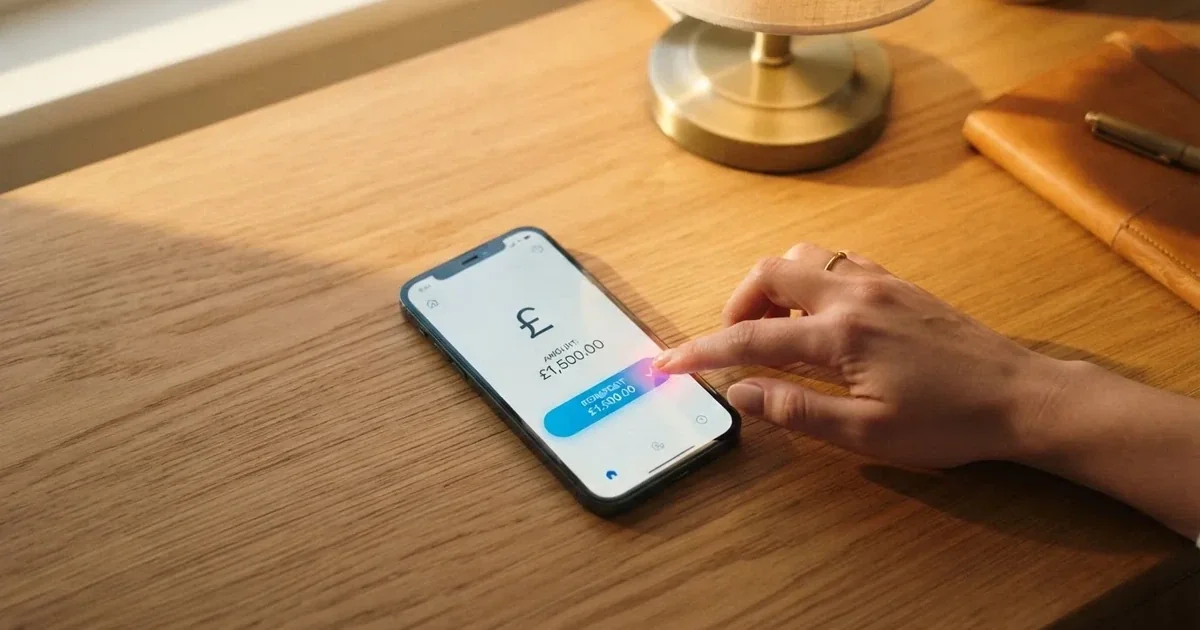
Figures and licence statuses verified against the Gambling Commission’s public register as of 10 November 2026.
Table of Contents
- What a Reload Bonus Actually Is
- Why Reload Bonuses Sit Where They Do in the UK Market
- The UK Gambling Commission’s Licensing Frame
- Bonuses & Free Spins: What Each Promotion Looks Like
- The 10x Wagering Cap in Practice
- Responsible Gaming: The Half of the Picture Reload Offers Hide
- Payments & Payout Speed: The Sorts of Deposits a Reload Qualifies Against
- The Ten Brands Behind the GB-Licensed Reload Market
- Reading the Operators Side by Side
- What the Band of Required Turnover Looks Like
- The Decision Tree for Picking a Reload Bonus
- Taxes, Limits, and the Wider Frame
- Where to Complain When Something Goes Wrong
- Frequently Asked Questions
What a Reload Bonus Actually Is
The label is older than the regulation. A reload bonus matches a percentage of a deposit made by a player who has already used the welcome package — sometimes called a second, third or follow-up deposit bonus in older casino lobbies, sometimes simply “this week’s bonus”. Where the welcome offer usually runs on a deposit-and-go basis, reloads often run on a deposit-on-the-day basis, anchored to a specific deposit window, a named weekday, or a particular payment rail. The casino decides; the player opts in.
The mechanic is the same as any deposit-match promotion: you deposit, the casino credits bonus funds on top, and those bonus funds carry a wagering requirement that must be cleared before withdrawal. The size of the match and the size of the wagering requirement vary by brand and by week; some sites offer modest 25%–50% reloads with shorter rollover, others run higher-percentage matches with longer rollover and tighter game weighting.

What changed under the 10x cap is the upper bound. A bonus of £100 with a 10x requirement carries £1,000 of required turnover before withdrawal. A £200 bonus is £2,000. Beyond that ceiling, the offer cannot go, by force of regulation. The result is a market where headline percentages can still look attractive, but the arithmetic underneath them stops climbing where it once did.
Three things make a reload recognisably a reload, and three only:
- It applies to existing account holders, not first-time depositors.
- It is triggered by a fresh deposit on a defined cadence, whether weekly, weekend, or per-deposit.
- It carries wagering requirements, capped at 10x since 19 December 2025.
Anything else — free spins without a deposit, cashback on net losses, leaderboard prize pools — sits in a neighbouring category and should be read by its own terms. The regulation uses “casino bonus” as a catch-all in the social responsibility code, but player-side, the offer type matters because the wagering treatment differs. Free-spin winnings, for instance, convert to bonus money subject to wagering in their own right at some sites, and at others they convert to real money at face value.
The Cadence Question: How Often You Can Claim
Reload offers vary widely on cadence. Some sites run them weekly — Friday reloads, weekend deposit matches, “Mid-Week Boost” — and a player can claim each instance independently, provided the relevant deposit and any opt-in are in place. Others run them per-deposit, so every deposit after the welcome package qualifies, with no weekly cap. A handful let the player pick their cadence through a loyalty tier; the higher the tier, the more frequent the reload offer.

What UK regulation does here is keep the framing honest: each claim is independent, and the operator cannot run a “loyalty scheme” that effectively pays out reload bonuses without going through the same customer-affordability and bonus-terms machinery. The cap on wagering — 10x — applies to every instance, and operators cannot segment offers by tier to bypass it.
Players reading the small print on reload cadence should look for three things: the named qualifying day or window, the minimum deposit threshold, and any per-week claim cap. Operators that publish this information clearly tend to run cleaner promotions; those that bury cadence details in the bonus terms usually run shorter or more restrictive reloads than the homepage suggests.
Why Reload Bonuses Sit Where They Do in the UK Market
British regulation treats gambling promotions as a regulated product, not marketing collateral. That posture has tightened over time, and what looks like a marketing change on the homepage is usually a regulatory change underneath it. For reload bonuses specifically, the relevant regulatory shift arrived on 19 December 2025, when the Commission’s updated social responsibility code took effect. Two changes matter:
- A hard cap on wagering requirements: 10x the bonus amount, 10x the bonus-derived winnings, or 10x the deposit that funded the bonus, whichever the operator chooses to apply. This is a flat ceiling.
- A ban on mixed-product bonuses: an offer like “bet £20 on football, get 50 casino spins” no longer exists in the British market. Each bonus is for one product only.
The 10x cap is the larger change. Before it took effect, wagering requirements of 30x, 40x and above were common at UK-licensed casinos; the marketing departments could quote these openly because the upper bound was commercial, not regulatory. After 19 December 2025, the ceiling is fixed and the marketing has had to find other angles: percentage match size, free spin value, deposit thresholds, the week-on-week nature of the offer. Some brands coped better than others.
The other side of the cap is that the smaller, simpler reloads are now genuinely simpler. A £50 reload with 10x wagering requires £500 of qualifying bets before withdrawal — a sum that a moderate-stakes player clears in a single session on most slot RTPs. Two years ago the equivalent promotion might have run 40x, requiring £2,000 of turnover for the same payout. The 10x cap does not make offers “better” or “worse” in any absolute sense; it makes them more uniform and reduces the gap between a strict reload and a generous one.
The Bonus Anatomy: Deposit Match, Wagering, and Game Weighting
A reload promotion has four readable parts. The first is the percentage match — typically 25% to 100% of the qualifying deposit, with 50% as the market’s centre of gravity. The second is the cap on bonus credit — a “100% up to £200” offer tops out at £200 even if the player deposits £500. The third is the wagering requirement, the 10x ceiling now written into regulation. The fourth is the game weighting, which determines how much each game type contributes to clearing that requirement.
Game weighting is where the reload structure does most of its work. Slot play typically contributes 100% of stake value to the wagering requirement; table games, live dealer, and certain high-RTP slots contribute far less, sometimes 5% to 20%. A 10x cap on a £100 bonus is £1,000 of slot wagering; the same bonus cleared via 20%-weighted blackjack is £5,000 of qualifying play. The cap is the same on paper; the path through it differs.
Players should also look for two off-page items: maximum bet per round while a bonus is active, and maximum cashout caps on bonus-derived winnings. UK regulation has moved against flat, undisclosed caps on cashout, but headline caps remain — sometimes on jackpot-derived wins, sometimes on a “max withdrawable bonus amount” tied to the bonus pool. These are points where the 10x cap intersects with the broader bonus terms, and they show up in player complaints more often than the headline percentage does.
Reload Bonuses vs Welcome Offers: The Real Difference
A welcome package is the headline offer for new players. It usually stacks several bonuses across the first three or four deposits, and it carries the operator’s most generous terms because each claim will only happen once per customer. A reload bonus is the steady offer that comes after — same shape, lower headline, often better cadence, sometimes worse wagering treatment. A welcome offer typically excludes slots from a banned-or-restricted list; a reload often includes restricted slots because the operator wants the loyalty play inside its own product.
The other practical difference is the timing. Welcome offers activate on signup and run through a fixed window — usually 30 days from registration. Reloads run forever, but each instance lives within a tighter weekly or per-deposit window. A player who misses a Friday reload simply waits until next Friday; a player who misses a welcome offer does not get another.
The UK Gambling Commission’s Licensing Frame
The Gambling Commission’s public register is the only test of whether an operator is licensed to take British customers. It is searchable, downloadable as CSV or Excel, and on 18 September 2026 listed 139 businesses holding an active remote casino operating licence; a further 1065 active and 361 white-label domains sat beneath them. The numbers shift monthly as licences are granted, surrendered or revoked.
A white-label domain runs under another company’s licence — a brand the player sees is operated by a third party under a Commission-issued licence, and the regulator’s interest follows the licence account rather than the consumer-facing name. Players do not need to know which entity operates their casino, only that the brand appears on the register and the licence number is verifiable. Every GB-licensed online operator must take part in GAMSTOP and must verify age and identity before the first deposit.
The Anatomy of a Licence Number
Licence numbers are not opaque. A remote casino operating licence is written as account-R-number-suffix: the leading six digits repeat the licence account number, the “R” marks the licence type (remote, i.e., online), the middle number is the licence sequence, and the suffix is the licence iteration. By way of example, bet365 is listed on the register under operating licence 055149-R-331499-004, held by Hillside (UK Gaming) ENC under account 55149. That string is not a marketing line — it is the legal identifier of the licence, and the Commission publishes it so customers can verify it without phoning anyone.
A handful of licence holders run multiple brands under the same licence account. LC International Limited (account 54743) operates Ladbrokes, Coral and Gala Bingo from a single remote casino operating licence, 054743-R-330863-014. That is not a loophole — it is the structure of the modern British market — but a player looking at three separate brands has one underlying licence behind them.
Offshore and the Limits of Commission Reach
The Commission can take action against unlicensed operators offering gambling to British customers, including cease-and-desist notices, search-engine delisting referrals, payment-blocker notifications, and hosting referrals. It has no power to compel ISP blocking, and a small number of offshore brands continue to operate from jurisdictions such as Curaçao or Anjouan without a GB licence. Section 33 of the Gambling Act 2005 makes it an offence to provide gambling to people in Great Britain without a Commission licence, but the offence sits on the operator, not the player.
The practical consequence is that an unlicensed site offers no player-side protection: no GAMSTOP enrolment applies to it, no Commission complaints route exists, no ADR body has oversight, and bonus terms can be set unilaterally with no recourse. Players sometimes reach those sites through affiliate marketing or aggressive bonus advertising, and the headline offer typically looks generous because the operator does not bear the cost of Commission compliance. The arithmetic underneath rarely survives comparison.
Bonuses & Free Spins: What Each Promotion Looks Like
Casino reload bonus operators have responded to the 10x cap in three distinct ways. Some brands widened the percentage match, going from a 50% reload to a 100% reload while keeping the wagering flat at the new 10x ceiling. Others raised the cap on bonus credit, taking a £100 maximum to £200 or beyond. A few held the line: a small match, a tight cap, a low wagering requirement. Players see the first two strategies most often because they generate the most landing-page marketing.
What every brand has done is remove mixed-product bonuses. A 19 December 2025 ban closed the door on “bet £20 on football, get 50 spins” type offers, which used to be a mainstay of weekly casino newsletters. The free-spin side of those offers has not gone away — many brands run spin-only reloads or spin-on-deposit promotions as standalone products — but they no longer come bundled with sportsbook activity. The result is a more legible bonus catalogue, with each offer cleanly inside one product line.
Free Spins Bundles After the Cap
Free spins remain a popular secondary feature on reload bonuses, sometimes as the headline offer on their own. They have not been affected by the 10x cap in the same way as deposit matches; spin-only promotions are treated as their own bonus class, with their own wagering treatment. The market practice is to credit spin winnings as bonus funds, subject to a wagering requirement of its own — typically 10x, sometimes lower for higher-tier loyalty players.
Spin value also varies. Lower-value spins (10p or 20p) carry smaller wagering burdens but lower absolute payouts; higher-value spins (50p to £1) carry larger per-spin potential but a correspondingly larger playthrough on winnings. Players comparing reload offers should convert spins to their effective cash value before comparing: 50 spins at 20p is £10 of nominal spin credit, and on a 96% RTP slot returns about £9.60 over the long run, before wagering. The arithmetic is small but it is the arithmetic.
Game Weighting Tables Worth Reading
Game weighting sits in the bonus terms page on every licensed site, and it is the table that converts a generous-looking 10x cap into a much more restricted playthrough in practice. Slot play is usually weighted 100%; live dealer is often weighted 10% to 20%; table games like blackjack and roulette can be weighted 5% or excluded entirely. A player clearing a reload on blackjack is therefore clearing it much more slowly than a player clearing the same bonus on slots.
The interesting write-up on each operator’s terms is the list of slots excluded from the bonus — usually a small handful of high-RTP titles, often including some jackpot slots — because playing on those slots while a bonus is active forfeits the bonus entirely. This is the only point at which the bonus terms turn hostile to the player without recourse; the game-weighting rules are transparent, the excluded-slot list can be opaque.
The 10x Wagering Cap in Practice
The headline regulation, applied: a 10x wagering cap on the bonus amount. For a £100 reload bonus, the required turnover is £1,000. For a £50 reload, £500. For a £200 reload, £2,000. The cap is one number; the path it produces depends on the player’s stake and the slot RTP.
Let us run a worked example. A player claims a £100 reload bonus, deposits £100 on top, and clears the wagering requirement on a slot with a 96% RTP at a £1 stake per spin. The required turnover is £1,000, which at £1 per spin is 1,000 spins. The expected return over those spins is £960 — a £40 expected loss from the slot side alone, before factoring the bonus credit. The bonus is structured to look like a £100 headline offer; the player’s expected cost of clearing it on a £1-stake slot is around £40.
In practice, players tend to clear the wagering on slots at much lower stakes than the maximum allowed — the £5 maximum per slot spin for over-25s, £2 for 18–24-year-olds. A £0.20 stake per spin on the same offer generates 5,000 spins for the £1,000 wagering requirement, runs longer, and lands a slightly different RTP profile because of how slot mathematics differs at stake levels. The 10x cap is a number; the gambling experience is longer.
Band of Practical Wagering Burdens
Using the 10x cap on the reload offers we have seen across the market, the practical band of required turnover on a single reload bonus runs roughly £250 (a £25 reload at the bottom of the market) to £5,000 (a £500 reload at the top end). Most weekly reloads sit in the £50 to £200 band, generating £500 to £2,000 of required playthrough. The cap creates a ceiling, not a floor: a casino running small reloads with low caps produces small turnover burdens, and the player’s real exposure is dominated by the slot stake and the slot RTP, not by the headline number.
This is a band of outcomes the player should expect. The wagering cap defines the upper edge. The bonus percentage and bonus cap define the workload. Slot choice, slot RTP, and stake size determine how long the workload takes. Each variable is its own decision; together they characterise the offer.
The Two-Minute-and-a-Half Spin Speed Rule
The Commission’s Remote Technical Standards set a minimum spin cycle of 2.5 seconds for any UK-licensed slot. That rule is independent of the bonus rules — it sits in the technical-standards annex — but it interacts with bonus wagering in a way worth noting. A 2.5-second spin cycle is the fastest legal spin speed at a UK casino, and it sets a minimum time to clear any bonus based on the turnover × spin-cycle product. A £500 wagering requirement cleared at 2.5 seconds per spin takes 1,250 seconds, or about 21 minutes of pure spin time. The 10x cap does not let the player bypass the spin cycle — it only caps the turnover required to clear.
The result is that smaller reload bonuses clear faster in absolute time but cost a higher percentage of the bonus in expected loss; larger bonuses take longer but cost a lower percentage of the bonus in expected loss per spin. The arithmetic balances; the experience does not.
Responsible Gaming: The Half of the Picture Reload Offers Hide
Reload bonuses, by their nature, reward repeat depositing. The Commission has been explicit that this design choice carries a responsible-gaming cost: promotions that pay out per deposit encourage players to deposit more frequently than they would without the promotion. The 10x cap reduces the player’s loss per claim but does not reduce the deposit cadence the promotion rewards. That is by design — the offer remains a marketing tool for the operator — but the player should weigh the cadence against the wagering benefit.
Three regulatory features sit alongside every reload offer at a licensed operator:
- GAMSTOP enrolment. Players can self-exclude from all GB-licensed online gambling for six months, one year or five years; the period is binding and cannot be cancelled early. Any active bonuses are forfeit on enrolment.
- Pre-deposit financial limit prompt. Since 31 October 2025, every new player must set a financial limit before their first deposit; the operator cannot waive it.
- Financial vulnerability checks. Lightweight affordability checks run at £150 in net deposits over a rolling 30 days, using public data only; deeper financial risk assessments have been announced but are not yet in force.
These exist to slow down the deposit cycle that reload rewards. They do not stop it. The player’s own budget is the strongest safeguard, and the Commission’s view is that the offer sits within a network of guardrails, not as a standalone product.
When the Promotion Draws the Spending Out
The pattern the Commission wants players to recognise: a reload offer arrives on a Friday, the player deposits to claim it, the reload is cleared over the weekend, and the cycle repeats the following Friday. Month-on-month, the cadence produces a deposit pattern the player may not have planned without the offer. This is not a flaw in the bonus rules; it is a feature of the offer. A player tracking their own budget by weekly cash flow will see the cycle as it is.
The recourse is straightforward. Players who notice a reload cadence pulling more deposits than intended can withdraw untouched bonus funds after the wagering requirement is met, decline the next-week promotion, or extend the gap between claims. None of these choices forfeits the existing balance; they simply slow the rate at which the bonus draw becomes a spending pattern.
Payments & Payout Speed: The Sorts of Deposits a Reload Qualifies Against
Reloads are tied to deposit methods, and the deposit method ties the offer to its payment conditions. Different brands route reloads through different rails: most accept debit cards and bank transfers as standard, many add Apple Pay and certain e-wallets, and a smaller set accept crypto-funded reloads. Each method has its own deposit timing, its own minimum threshold, and its own treatment under a reload offer.
Debit Card and Bank Transfer
Debit cards and bank transfers are the standard rails for UK-licensed casinos and the default qualifying methods for almost every reload offer. UK bank transfers within the Faster Payments Service run round the clock and arrive instantly or within a couple of minutes, though transfers can occasionally take up to two hours. Faster Payments has a £1,000,000 per-transaction ceiling, but most casinos set their reload minimum well below that.
Credit cards have been banned for gambling since 14 April 2020, including credit cards routed through e-wallets. The Commission’s 2018 estimate was that around 800,000 UK consumers used credit cards to gamble, and that 22% of online gamblers who used credit cards to gamble were classed as problem gamblers — figures the Commission cited in justifying the ban. Debit cards and bank transfers were unaffected by the ban and remain the backbone of the regulated deposit market.
Apple Pay and E-Wallets
Apple Pay is available on supported UK cards since 14 July 2015; the original launch on 20 October 2014 covered US-issued cards only. It uses NFC for in-store contactless payments and tokenisation for online checkout, replacing the actual card number with a device-specific Device Primary Account Number and generating a dynamic security code per transaction. For UK-licensed online casinos, Apple Pay is supported where the casino accepts Visa or Mastercard through the Apple Pay tokenisation layer.
AstroPay, an alternative e-wallet, was founded in 2009 in Uruguay and operates as a global digital wallet. In the UK, its local entity Larstal Limited is authorised as an electronic money institution by the Financial Conduct Authority under the Electronic Money Regulations 2011. A reload bonus that names “e-wallets” as qualifying methods will often cover AstroPay alongside Skrill, Neteller and PayPal, though individual casino terms vary. Players should check the qualifying-methods list before depositing, because several operators exclude e-wallets from reload eligibility altogether.
Crypto-Funded Reloads
A smaller set of UK-licensed casinos accept crypto deposits, and a yet smaller set run reload bonuses specifically on crypto rails. The licensing position is unambiguous: a casino licensed in Great Britain must comply with Commission rules regardless of how the deposit arrived, which means crypto-funded reloads at a GB-licensed casino carry the same 10x wagering cap, the same identity checks, the same bonus-terms machinery as a debit-card reload. The deposit method changes the rails, not the regulation.
Players comparing a crypto reload to a card reload should look for three differences: minimum deposit thresholds are often higher in crypto terms because crypto price volatility adds a buffer; bonus conversion rates are sometimes set at the deposit-time GBP equivalent rather than the live crypto price; and withdrawal is usually restricted to the same crypto asset or to a bank transfer option. Where the casino publishes those conditions clearly, the offer is at parity with a card-funded reload; where it does not, the offer carries more variable risk than its headline suggests.
The Ten Brands Behind the GB-Licensed Reload Market
The brands below appear on the Gambling Commission’s public register and run active remote casino operating licences. Each licensee’s licence number is published and verifiable, and several licensees operate more than one brand from a single licence. The list is descriptive, not a ranking.
Paddy Power
Paddy Power runs under PPB Games Limited (account 39411) on remote casino operating licence 039411-R-319335-010. The brand’s GB-licensed position is unchanged by the 10x cap because the loyalty scheme at Paddy Power has historically run smaller reload matches than competitors, with a tighter cadence. The licensed status is verifiable directly on the public register; the reload terms sit inside the loyalty scheme rather than as standalone weekly offers.
The brand has consistently been one of the larger UK operators by player count. Its reload calendar has run primarily through the loyalty programme rather than through headline promotions, which makes the smaller percentage matches less of a marketing line and more of an evergreen feature.
Ladbrokes
Ladbrokes runs under LC International Limited (account 54743) on remote casino operating licence 054743-R-330863-014 — the same licence account that runs Coral and Gala Bingo. The reload offer structure at Ladbrokes has historically been retail-anchored, mirroring what the high-street shops run, with on-site betting shops feeding into online bonuses for cross-channel players.
The reload terms at Ladbrokes moved ahead of the 19 December 2025 cap because the brand’s existing terms were already in the 5x–10x range for most reloads. The 10x cap did not require Ladbrokes to change many of its bonus terms; it required the brand to rebalance its offer presentation around percentage size and free-spin bundles.
MrQ
MrQ runs under Tek Fox Ltd (account 60629) on remote casino operating licence 060629-R-337532-004. MrQ’s marketing has positioned itself around no-wagering-required free spins on signup, and the reload calendar inherits the same approach — flat offers with lower headline percentages but cleaner terms. The licence is held directly by Tek Fox Ltd, a smaller operator in the GB market than the LC International or Hillside accounts.
The brand’s wagering terms sit well inside the 10x cap because the brand has run smaller wagering requirements than the rest of the market historically. A player looking for clarity on reload terms will find MrQ’s bonus pages comparatively short — fewer conditions, fewer excluded slots, less fine print. That is the operation that goes with the licence.
Coral (coral.co.uk)
Coral runs under LC International Limited (account 54743) on remote casino operating licence 054743-R-330863-014 — the same licence account as Ladbrokes and Gala Bingo. The three brands sit on a shared technical platform and a shared bonus catalogue, with cosmetic rebranding of the offer pages. Players looking at Coral’s terms are looking at the LC International terms.
The reload structure at Coral has historically been weekly, anchored to weekend sports fixtures that bring retail customers online. The 10x cap constrains the wagering requirements on the same terms as Ladbrokes. A player looking at Coral’s bonus page is reading LC International’s product.
bet365 (Bet365.com)
bet365 runs under Hillside (UK Gaming) ENC (account 55149) on remote casino operating licence 055149-R-331499-004. The brand is one of the largest online operators in the UK by both sportsbook and casino footprint, and its reload calendar runs through targeted bonus offers rather than weekly headline promotions. The bet365 bonus terms page is among the more detailed in the market because the brand’s offer set is broader than most operators.
Players who already use the sportsbook at bet365 will see casino reload offers cross-promoted on the casino landing page through the loyalty scheme. The licence is held directly by Hillside (UK Gaming) ENC, an entity tied into the bet365 Group’s wider corporate structure.
Betfred
Betfred runs under Petfre (Gibraltar) Limited (account 39544) on remote casino operating licence 039544-R-319290-010. The brand’s UK high-street retail presence has shaped its online reload calendar — many of the online reload offers mirror what the retail shops run, with sportsbook-flavoured cross-promotion. The licensed status on the public register is verifiable directly; the Gibraltar-named licence holder is registered with the Commission as a remote licence holder for Great Britain.
Betfred’s reload wagering terms moved into line with the 10x cap and the brand’s offer presentation has leaned more heavily on free-spin bundles and cashback features since December 2025.
Casumo
Casumo runs under Recro Limited (account 61549) on remote casino operating licence 061549-R-336718-002. Casumo’s bonus structure has historically been presented through the loyalty-tier framework — players move through tiers and reload offers scale with the tier, with smaller weekly offers at lower tiers and larger loyalty-tier rewards at higher ones. The 10x cap applies uniformly to every tier because the regulation is a flat ceiling.
The brand’s slot-focused product catalogue is consistent with the slot-heavy bonus weighting structure. Players who play table games with a Casumo bonus active will find wagering progress far slower than slots — the game weighting table on the brand’s terms page makes the contrast clear.
888casino
888casino runs under 888 UK Limited (account 39028) on remote casino operating licence 039028-R-319297-014. The brand has historically marketed through welcome-package depth rather than reload calendar — the reload side of the operation has been quieter than competitors’. The licensing structure runs under 888 UK Limited, an entity in the wider 888 Holdings group.
Reload terms at 888casino have moved into the 10x band since the December 2025 cap, and the brand has presented reload offers primarily through the loyalty programme. Players using the casino’s loyalty programme will see reload offers track to their tier; players outside the loyalty programme will see fewer headline reload promotions.
Jackpotjoy
Jackpotjoy runs under Gamesys Operations Limited (account 38905) on remote casino operating licence 038905-R-319430-022. The brand’s product focus has historically been bingo-led, with casino products layered alongside. Reload offers on the casino side have leaned on free-spin bundles, consistent with the brand’s lighter casino footprint compared to its core bingo play.
The licence is held by Gamesys Operations Limited, a Gamesys Group entity, and the public register record for Jackpotjoy.com shows the brand as an active domain of the licence account.
Gala Bingo
Gala Bingo runs under LC International Limited (account 54743) on remote casino operating licence 054743-R-330863-014 — the same licence account as Ladbrokes and Coral. Like its sister brands, Gala’s reload calendar sits within the shared LC International bonus catalogue, with cosmetic rebrand of the offer pages to match the Gala identity.
The reload terms at Gala are therefore the LC International terms, and the 10x cap has had the same impact as on its sister brands. A player looking at Gala’s bonus terms is reading LC International’s product.
Reading the Operators Side by Side
The table below sets the operator set side by side on the four matters the page considers most consequential: the licence holder (the legal entity registered with the Commission), the GB remote casino licence number, the domain status on the public register, and the subject support flag as research reports it.
| Brand | Licence Holder · Account | GB Remote Casino Licence | Domain Status | Subject Support |
|---|---|---|---|---|
| Paddy Power | PPB Games Limited · 39411 | 039411-R-319335-010 | Active | — |
| Ladbrokes | LC International Limited · 54743 | 054743-R-330863-014 | Active | — |
| MrQ | Tek Fox Ltd · 60629 | 060629-R-337532-004 | Active | — |
| Coral | LC International Limited · 54743 | 054743-R-330863-014 | Active | — |
| bet365 | Hillside (UK Gaming) ENC · 55149 | 055149-R-331499-004 | Active | — |
| Betfred | Petfre (Gibraltar) Limited · 39544 | 039544-R-319290-010 | Active | — |
| Casumo | Recro Limited · 61549 | 061549-R-336718-002 | Active | — |
| 888casino | 888 UK Limited · 39028 | 039028-R-319297-014 | Active | — |
| Jackpotjoy | Gamesys Operations Limited · 38905 | 038905-R-319430-022 | Active | — |
| Gala Bingo | LC International Limited · 54743 | 054743-R-330863-014 | Active | — |
The columns that fill out a casino review — bonus percentage, wagering terms, free-spin values, payout times — sit beside each other by tone rather than by uniform figure. What the table shows is the licensing frame the page sits in: every brand is registered, every licence number is verifiable, three brands share one licence account, and no operator has a public-record advantage on the subject matter of this guide. A reader looking for a reload offer returns to the operator’s own bonus page rather than to this table — the terms change by week — but the licence column is the constant.
The Shared Licences, Read Plainly
Three brands — Ladbrokes, Coral and Gala Bingo — share one licence account and one underlying operator, LC International Limited. They are not independent operators; they are three consumer-facing brands over a single regulated entity. A player who already holds an account with one of the three is, for regulatory purposes, already known to the operator behind the other two; any cross-brand restriction the operator applies will apply across all three. The Commission treats this as one operator, with one responsible entity and one set of safer-gambling obligations.
A second brand run by a non-UK-named entity — Betfred’s Petfre (Gibraltar) Limited — is still licensed under the Commission’s GB regime: the Commission’s view is the licence holder’s registered form matters less than the licence itself. The “Gibraltar” in the name refers to the corporate registration; the licence itself is a remote casino operating licence issued for Great Britain. The public register is the test either way.
What the Band of Required Turnover Looks Like
Let us give the wagering-turnover band a worked shape. Take the four most common reload sizes in the current UK market — £25, £50, £100 and £200 — and apply the 10x cap to each. The result is a four-row band of required turnover: £250, £500, £1,000 and £2,000. Each row produces a different effective workload depending on the player’s stake and choice of slot.
For a player using a £0.20 stake per spin on a 96% RTP slot, the spins-to-clear are 1,250 / 2,500 / 5,000 / 10,000 respectively. At the 2.5-second minimum spin cycle set by the Commission’s Remote Technical Standards, those workloads take roughly 52 minutes, 1 hour 44 minutes, 3 hours 28 minutes, and 6 hours 56 minutes of continuous play. The expected loss on each is roughly 4% of turnover: £10, £20, £40, £80.
The losses above are an average across many spins; any single player on any single session sees variance around those averages — wins and losses both vary, sometimes substantially. The arithmetic tells the player how long the offer takes, not how any individual session ends. That distinction is what the rules around the offers are designed to keep visible.
Where the Band Bites the Player
The band matters because it sets expectations. A £25 reload is a £10 expected-loss / 52-minute workload for a low-stake player — high cost per minute, low cost in absolute terms. A £200 reload is an £80 expected-loss / 6-hour-and-56-minute workload for the same player — lower cost per minute, large absolute cost. The player with a small bankroll is better served by smaller, more frequent reloads; the player with a long session and a large bankroll is better served by larger, less frequent ones. The 10x cap makes both kinds of offer feasible at predictable costs.
What the band does not capture is the variance. Slots at 96% RTP can swing substantially within 5,000 spins; a player clearing a £100 reload over a single extended session may see the bonus cleared at a profit, a loss, or somewhere in between. The expected loss is the long-run average; the player sits inside the long run.
The Decision Tree for Picking a Reload Bonus
A reload bonus is one of three things to a player: a marketing line, a wagering workload, or a stated bet on slot RTP. The 10x cap has made the second reading dominant. A player comparing offers by percentage alone will pick the worst reload, because percentage and bonus cap are inversely correlated at most operators. A player comparing offers by full wagering workload will pick better, because the arithmetic sits closer to the experience.
The first decision is whether to claim at all. A reload bonus is worth claiming when the wagering requirement fits the player’s session length and stake level; it is worth declining when the wagering requirement pulls the player toward a stake or session length they would not otherwise choose. A player who plays blackjack for £5 a hand will not clear a slot-weighted reload efficiently, and the offer is worth declining even at a generous percentage match.
The second decision is which game to play. Slot weighting is the path of least resistance, and a slot with a published RTP above 96% will return a higher fraction of the wagered amount to the player. The slot’s max-bet cap while a bonus is active also matters: most bonuses cap the qualifying stake per spin at £5 or lower, and exceeding the cap can void the bonus. Players should pick a slot they would play anyway, within the bonus cap, with RTP publicly available.
The third decision is how much to deposit. The reload bonus is capped; depositing above the cap leaves the upper-deposit portion without bonus. A player who values the bonus at its percentage match should deposit exactly the qualifying minimum, not above it; a player who values the wagering workload above the bonus headline should deposit at the qualifying minimum and stop, then deposit again on the next reload.
Taxes, Limits, and the Wider Frame
Players pay no tax on gambling winnings in the United Kingdom. Operators pay Remote Gaming Duty at a rate raised from 21% to 40% from 1 April 2026 — model only, with HMRC the authority for current rates. The player-side tax position has been stable for years and is not affected by the bonus cap or by any single operator’s terms.
There is no state-set deposit or loss ceiling. Operators must prompt a customer to set a financial limit before the first deposit, since 31 October 2025, but the player sets the limit and can amend it. Slot stake limits are state-set: £5 maximum per game cycle for over-25s (from 9 April 2025) and £2 maximum for 18–24-year-olds (from 21 May 2025). These limits apply during regular play and during bonus play equally; they do not change based on whether a bonus is active.
Auto-play is banned, and a slot spin may not be faster than 2.5 seconds since 31 October 2021. Losses disguised as wins — slot spins that return a payout smaller than the stake but are visually presented as a win — are banned. These rules shape the experience of playing through a wagering requirement; the spin-cycle limit sets a minimum time on each spin, and the loss-disguised-as-win ban removes a marketing trick from the slot-side UI.
Where to Complain When Something Goes Wrong
A player who has a dispute with a GB-licensed casino over a reload bonus has two routes: the operator’s own complaints process, and an approved Alternative Dispute Resolution (ADR) body after that process is exhausted. The Commission’s published list of approved ADRs is the second stop; the ADR’s ruling is binding on the operator where the ruling is accepted by the player.
Players who use an unlicensed offshore casino have no Commission complaints route. The operator is not licensed by the Commission, and the Commission’s disruption mechanisms — cease-and-desist notices, payment-blocking referrals, search-engine delisting — are aimed at the operator, not at resolving individual player disputes. The recourse for the player is the operator’s own complaints process, which on an unlicensed site is typically the operator’s word on its own terms. This is the practical meaning of “unlicensed” — the offer may look similar, but the recourse when it goes wrong is missing.
Frequently Asked Questions
What is a casino reload bonus and how is it different from a welcome offer?
A casino reload bonus is a repeat-deposit offer for existing account holders, usually a percentage match on a deposit made after the welcome package has been used. A welcome offer is the first-deposit package, often larger, structured to run once per customer and convert the new account to active. Reloads run continuously, often weekly or per-deposit, with smaller headline matches and similar wagering machinery. Both are subject to the 10x wagering cap that took effect on 19 December 2025.
How often can I claim a reload bonus at a UK casino?
Weekly reloads, anchored to a named day, are the most common cadence; some operators run per-deposit reloads with no weekly cap. A player who claims a Friday reload typically does not get another until the following Friday at that brand. Higher loyalty tiers sometimes unlock additional reload cadence. The Commission does not impose a fixed cadence; operators publish their own cadence in the bonus terms page.
Do crypto-funded reload bonuses work the same way as card deposits?
A GB-licensed casino treats crypto deposits as deposits — the same 10x wagering cap, the same identity checks, the same bonus-terms machinery applies regardless of the funding rail. Where they differ is in the rails themselves: minimum deposit thresholds are often higher in crypto terms to absorb price volatility, conversion to bonus credit may run at the deposit-time GBP rate, and withdrawal can be restricted to the same crypto asset or to a bank transfer. Read each casino’s qualifying-methods list before depositing.
What wagering requirement applies to reload bonuses under current UK rules?
Since 19 December 2025, the Gambling Commission’s social responsibility code caps wagering requirements at 10x for casino bonuses, applied to the bonus amount, the bonus-derived winnings, or the funding deposit, depending on the operator’s terms. The cap is a ceiling, not a floor — operators can choose lower wagering requirements but cannot offer higher ones. Players should expect 10x or below at every GB-licensed casino.
Is there a minimum deposit to unlock a reload bonus?
Yes. Operators set minimum deposit thresholds for each reload offer, usually £10 to £20 for weekly reloads and often higher for crypto or specific-method reloads. Deposit below the threshold and the offer does not credit; deposit above and the bonus cap stays fixed. The qualifying minimum is published on the offer page and in the bonus terms.
Can I withdraw reload bonus winnings straight away?
Not straight away. Bonus-derived winnings are subject to the 10x wagering requirement before withdrawal becomes possible. Once cleared, bonus funds convert to real money and can be withdrawn by the standard methods. Some bonus terms include a maximum cashout cap on bonus-derived winnings, so even after clearing, a portion may be withheld. Players should read the full terms — including any max-cashout figure — before claiming.